
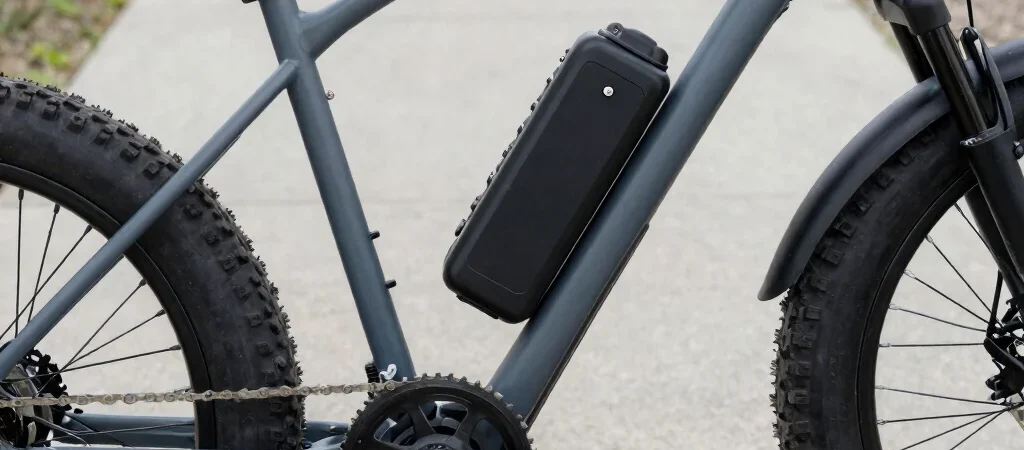
A range estimate can look reassuring until your route adds a headwind, steep climbs, cold weather, or a heavier load. Battery capacity helps you compare electric fat tire bikes, but it cannot predict your exact distance on its own. The useful question is how that capacity fits your commute and riding conditions.
Read Capacity as Context
Battery capacity is commonly listed in watt-hours, or Wh, a measure that combines voltage and amp-hours. It gives you a more useful basis for comparing batteries than amp-hours alone when the bikes use different voltages. It still does not reveal the full range story, because motor use, assistance settings, rider and cargo weight, terrain, and weather all affect energy use.
Match It to Your Commute
Measure your usual one-way distance, include the return trip, and note whether you can recharge at work or at your destination. A route with long climbs or frequent stops may place different demands on the battery than a flatter ride of the same distance. Leave room for changing conditions instead of treating a published maximum range as your everyday expectation.
Check the Charging Routine
Before choosing a bike, find out whether the battery is removable and consider where you will charge and store it. If you live in an apartment or need to bring a battery indoors, its size and handling matter as much as the headline capacity. Follow the manufacturer’s charging and storage instructions, particularly during very hot or cold weather.
Use Range Claims Carefully
Compare range figures only when the stated conditions are clear, and treat them as estimates rather than guarantees. A practical choice is one whose battery makes your normal ride workable with some flexibility for hills, weather, and the occasional detour. Some links in our battery and bike guides may be affiliate links; if you purchase through them, the publication may receive a commission.